 Core Model
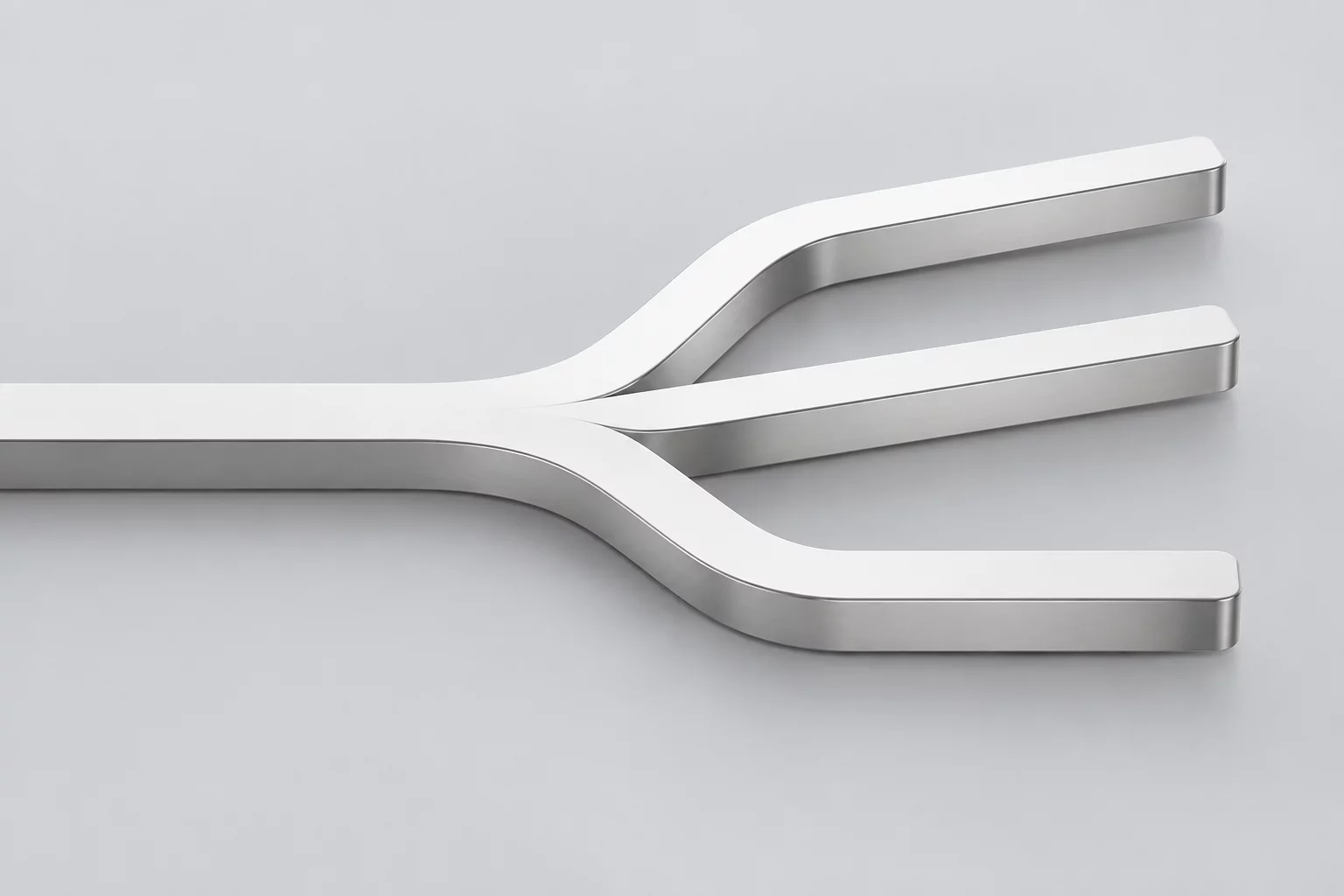
The Option Fork Framework
A systematic branching approach to split complex design problems into independent technical trajectories, compare trade-offs, and converge on validated mechanical solutions.
Standardized analytical workflows and structured decision models designed to de-risk mechanical engineering decisions across parallel design pipelines.
Discover structured guides for part reduction, assembly sequences, and decision trade-off scoring built for high-precision design teams.
Practical frameworks for parallel exploration, trade-off resolution, and mechanical convergence.
Core Model
A systematic branching approach to split complex design problems into independent technical trajectories, compare trade-offs, and converge on validated mechanical solutions.
 Analysis
Formal boundary definition techniques for identifying spatial, thermal, and manufacturing limits before initiating mechanical CAD modeling phases.
 Evaluation
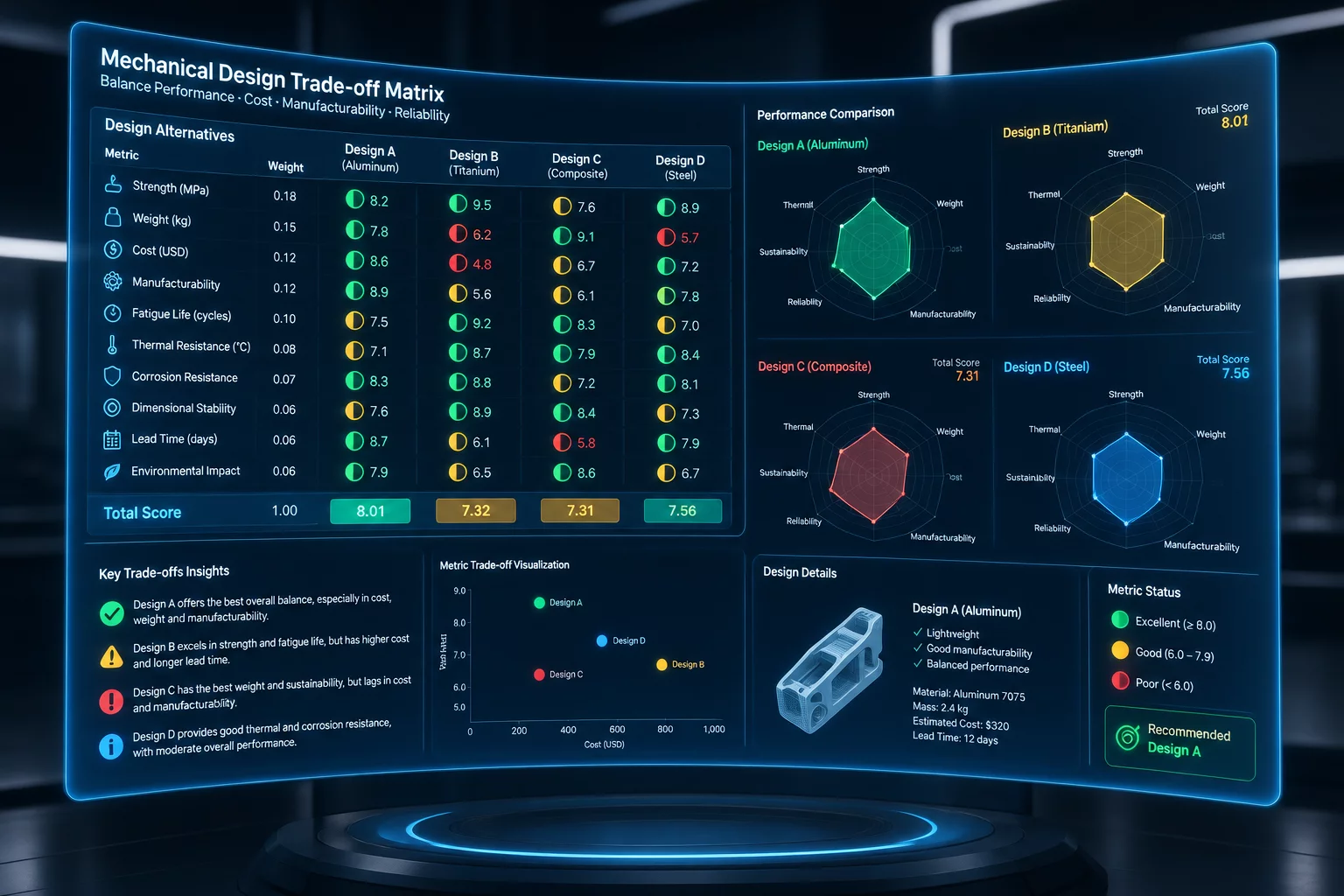
Multi-criteria scoring matrix engineered to evaluate competing branch archetypes against structural rigidity, cycle time, mass target, and tooling expenditures.
 Synthesis
Deterministic protocol to synthesize findings from divergent experimental prototypes into a cohesive, production-ready master assembly.
 Execution
Practical playbooks for simultaneous 3D additive manufacturing and bench testing of multi-option kinematics without slowing primary release pipelines.
 Production
Techniques to map assembly stack orders, fastener tool clearances, and ergonomic hand access paths early in the digital mockup lifecycle.
 Optimization
Optimization parameters governing part orientation relative to parting lines, draft angles, 5-axis machining setups, and thermal airflow vectors.
 Efficiency
Guidelines for monolithic integration, living hinges, and snap-fit mechanics designed to eliminate fasteners and slash bill-of-materials overhead.
Try adjusting your search terms or view all guides.