 Step 01
Defining the Starting Constraint
Isolate geometric boundaries, functional load parameters, and baseline assumptions before splitting into isolated branch variations.
Master structured CAD iteration methods. Explore concurrent branch modeling, eliminate unrecorded design forks, and systematically resolve trade-off constraints.
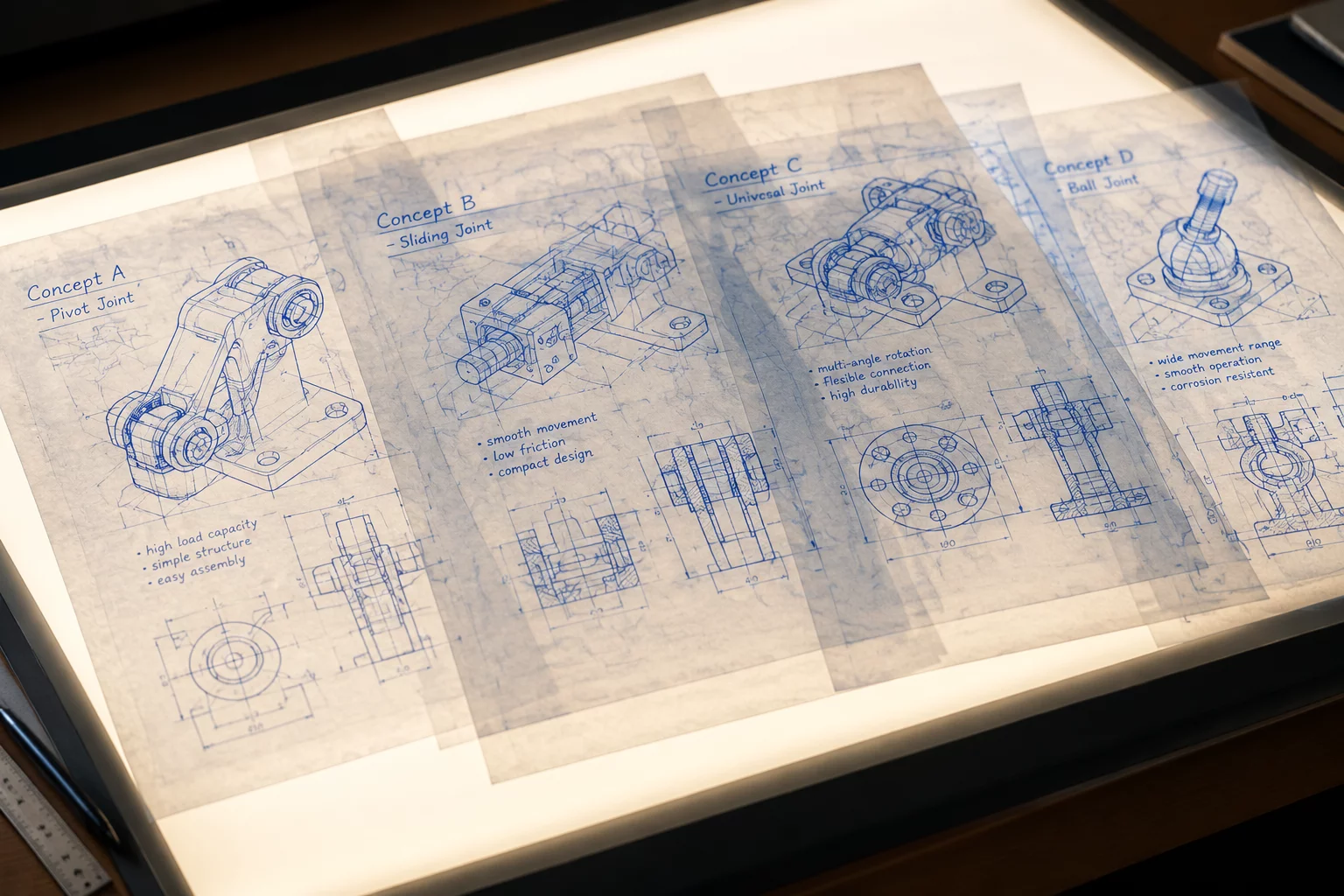
A taxonomy of structured methods to compare parallel concepts without losing historic trade-off rationale.
A sequential breakdown of parallel iteration methods, trade-off analysis matrices, and systematic convergence workflows.
Step 01Isolate geometric boundaries, functional load parameters, and baseline assumptions before splitting into isolated branch variations.
 Step 04
Deploy structured evaluation scorecards balancing tooling costs, assembly complexity, and structural fatigue resilience.
 Step 07
Establish unified taxonomy and configuration tables across multi-tiered top-level assembly workflows.
 Step 02
Orchestrate concurrent development channels without causing parametric file corruption or reference conflicts.
 Step 05
Recognize the exact phase when exploration must freeze to merge optimal feature sets into a unified release candidate.
 Step 08
Translate comparative branch data into concise, stakeholder-ready documentation and defensible engineering decisions.
 Step 03
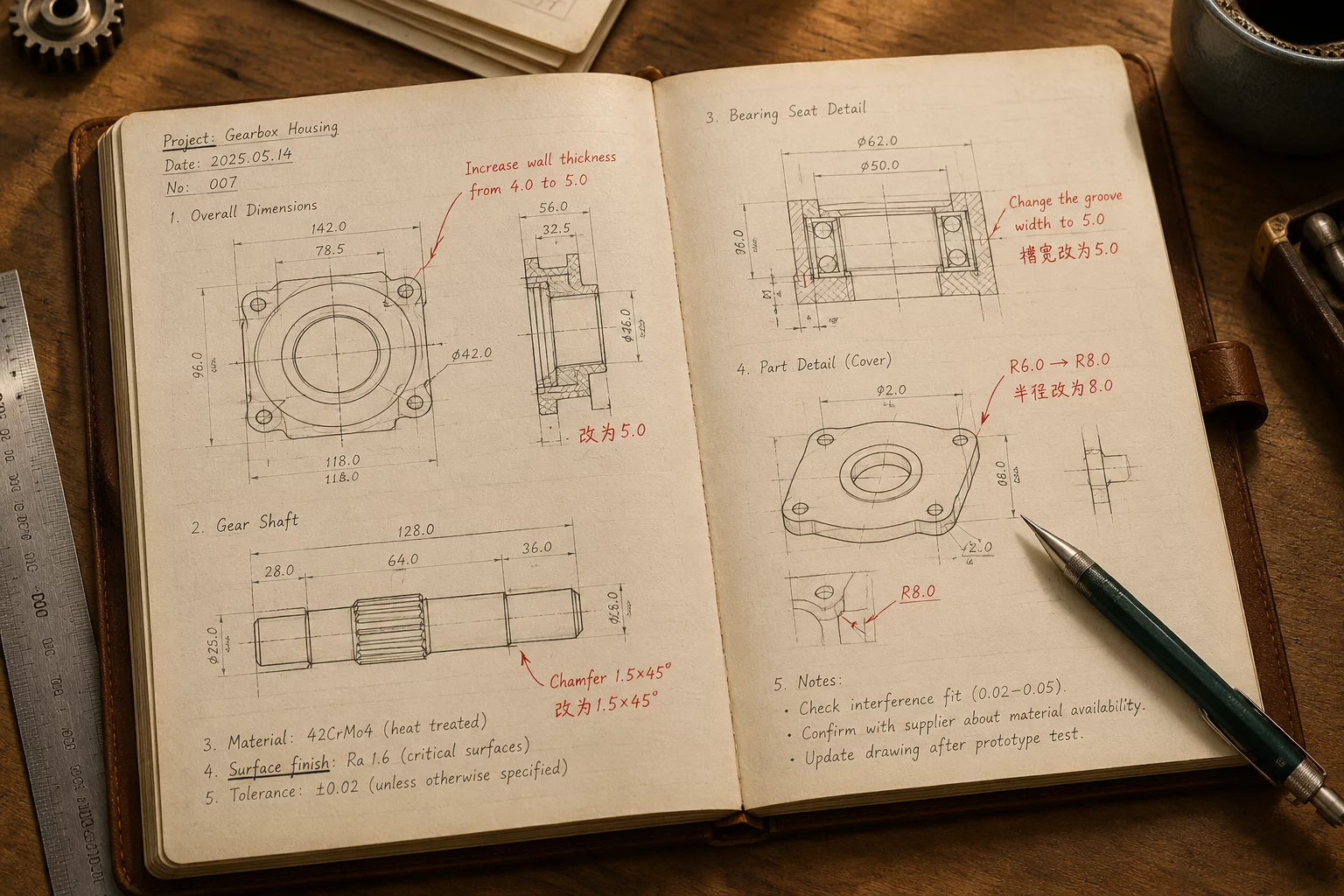
Capture precise delta points between concurrent iterations to eliminate retrospective guesswork during design reviews.
 Step 06
Convert rejected iterations into indexed organizational knowledge rather than lost time or buried dead-end files.