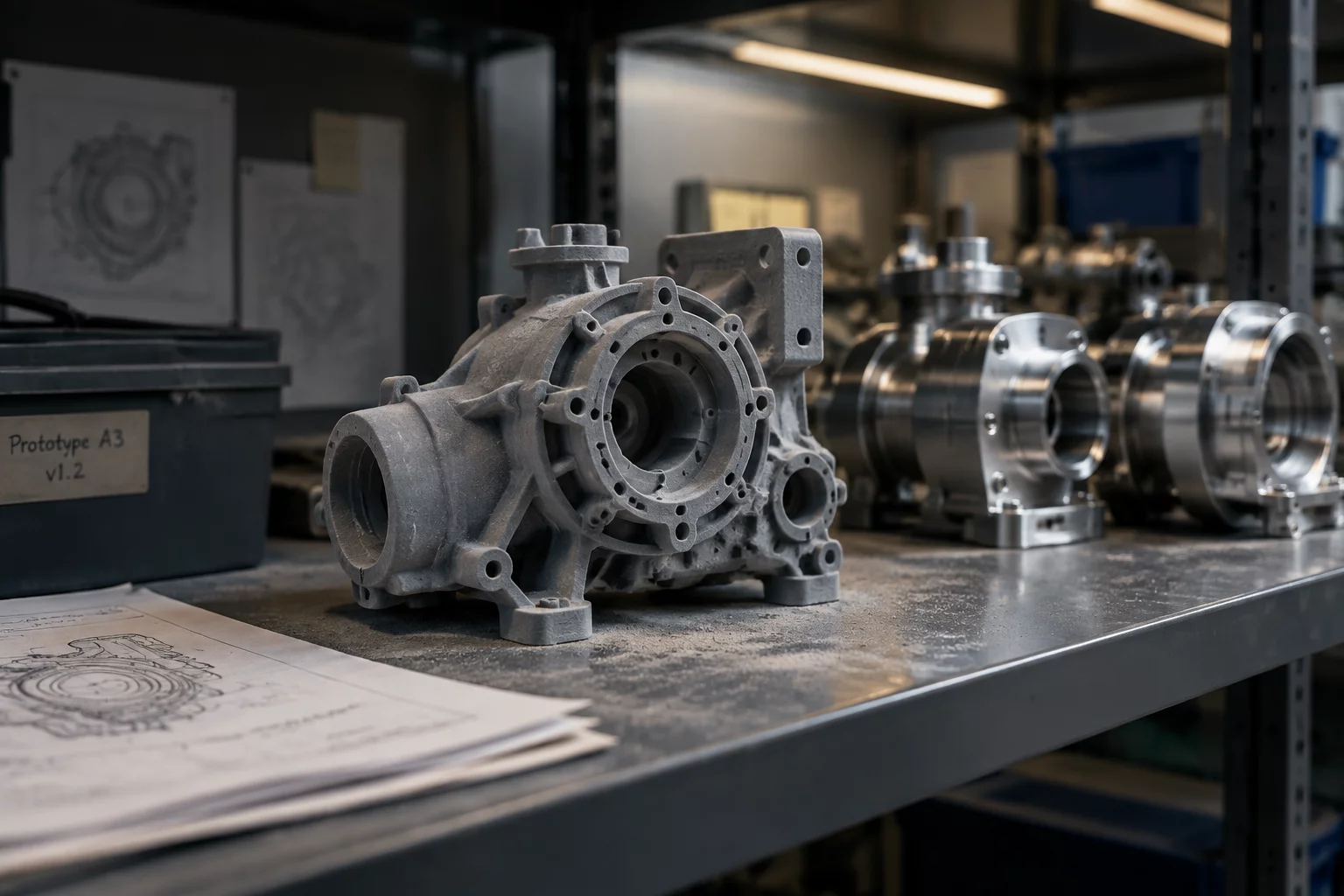
The Premature Dismissal of Sub-Optimal Geometry
In fast-paced hardware development cycles, engineering groups discard dozens of CAD variants without preserving the rationale behind their rejection. When a prototype fails an assembly tolerance test or exceeds preliminary mass targets, CAD files are routinely overwritten or relegated to unindexed project folders. This practice treats discarded iterations as waste rather than calibrated boundary markers for the product envelope.
During the development of a precision industrial sensor housing, our team pursued three distinct mechanical architectures. Branch A explored an integrated compliant mechanism, Branch B evaluated an over-molded elastomer seal, and Branch C deployed an articulated four-bar linkage with separate fastener mounts. When Branch A met the initial mass target at lowest unit cost, the other two concepts were halted immediately.
A rejected option is not a failure of engineering; it is an empirical measurement of where specific mechanical trade-offs break down under given constraints.
Rather than purging Branch C from the version tree, the development logs preserved full kinematic sweep studies, tool clearance envelopes, and FEA stress distributions. This disciplined documentation required an extra four hours of engineering time before closing the branch—an investment that subsequently changed the entire project trajectory.
Comparative Anatomy of the Three Parallel Branches
To evaluate the design envelope thoroughly before convergence, all three concepts were developed to the point of parametric feasibility. Each approach addressed the core sealing and actuation requirements through distinct physical mechanisms.
Monolithic Compliant Hinge
Single-piece molded polypropylene structure offering ultra-low part count and immediate mold cycle efficiency under standard ambient conditions.
Over-Molded Elastomer Gasket
Dual-shot injection molded seal providing exceptional ingress protection but requiring high tooling investment and tight thermal windows.
Articulated Linkage Core
Machined aluminum clevis-and-pin assembly with higher part count but impervious to extreme environmental thermal variance.
Branch A initially succeeded across all early room-temperature cycle tests, which led the steering committee to commit to hard steel tooling. However, late-stage thermal chamber testing between minus forty and eighty-five degrees Celsius revealed catastrophic creep in the compliant hinge section, causing recurring latch seal degradation.
Extracting Value from the Archived Branch
When the primary compliant approach failed environmental stress screening, the timeline did not permit starting new CAD explorations from a clean slate. Because Branch C was fully preserved with mated assembly references and supplier tolerance stacks, the engineering team reactivated the branch in under forty-eight hours.
- Tooling Re-Validation Window: Reduced from 14 weeks to 3 weeks by utilizing previously validated CNC machining setups.
- Thermal Expansion Tolerance: Maintained zero latch displacement across -40°C to +85°C operational range.
- Documentation Completeness: 100% of fastener torque specs and kinematic trace paths were instantly accessible.
- Unit Cost Impact: Absorbed an 8% per-unit bill of materials delta, offset completely by zero field recall risk.
The decision to archive rather than discard transformed what would have been a catastrophic program delay into a controlled mechanical pivot. Preserving the context, numerical boundaries, and physical test data of the abandoned option proved to be the single most valuable engineering asset of the product lifecycle.
Frequently Addressed Inquiries
At minimum, an engineering team should record the root constraint that triggered abandonment, complete CAD assembly models with frozen mates, final FEA/kinematic reports, and a short trade-off summary explaining why alternative paths were preferred at that specific juncture.
When onboarding new engineers or iterating next-generation hardware, teams frequently re-propose previously discarded ideas. An indexed repository of historical trade-offs demonstrates why specific geometries failed past constraints, saving hundreds of hours of redundant CAD work.
No, because archived branches are frozen snapshots rather than live models requiring continuous updates. They exist as immutable reference packages containing parametric history, step files, and simulation logs.
Discuss Your Architecture Review
Connect with our mechanical engineering mentors to structure clean concept branching and convergence pipelines in your CAD workflow.
Relevant Concept Investigations
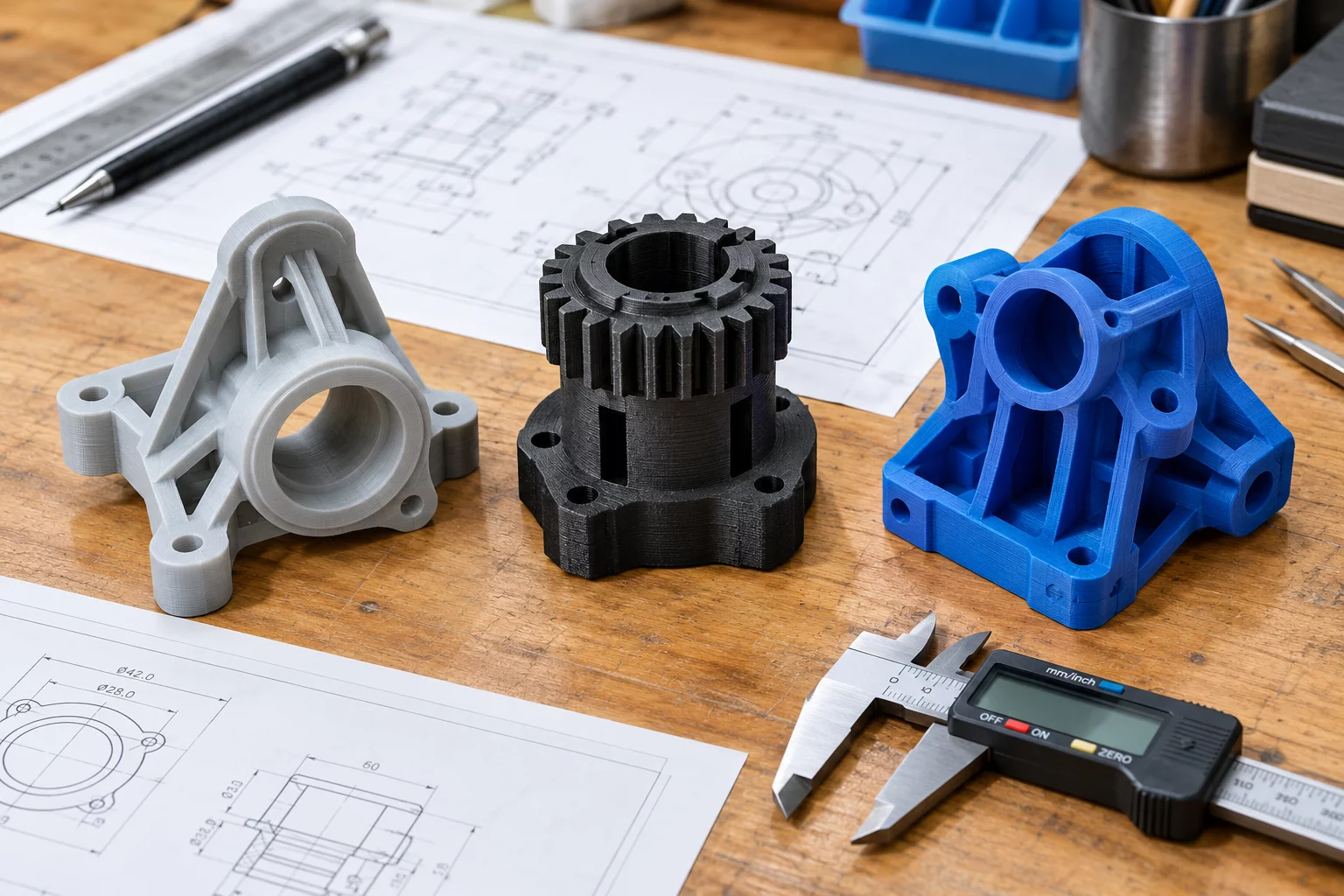 Constraints
One Constraint, Three Mechanical Concepts
How branching one physical boundary into three distinct mechanical mechanisms accelerates prototype convergence.
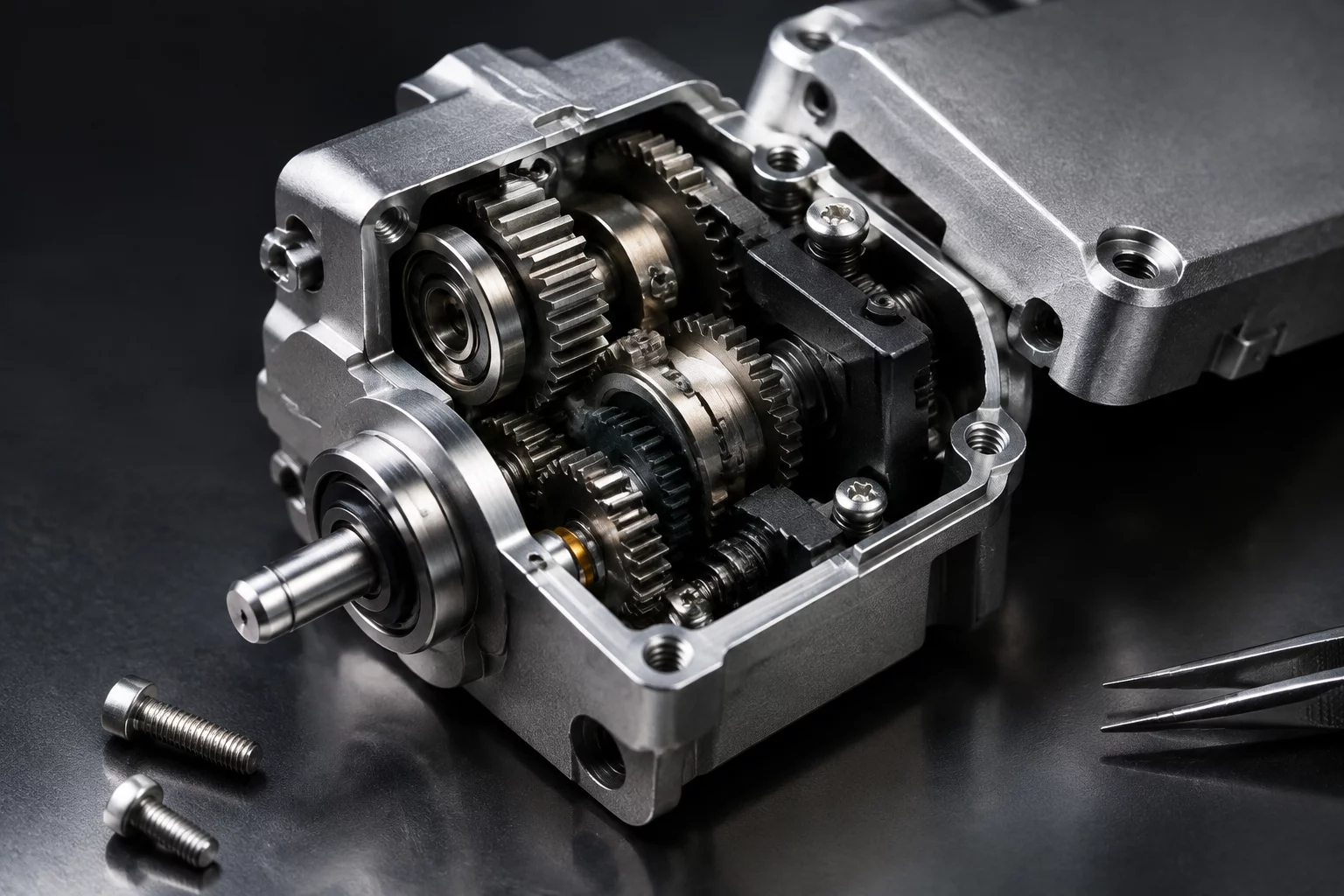 Assembly
The Smaller Design Created a Harder Assembly
Analyzing why aggressive volume reduction introduced critical assembly bottlenecks and tooling interference.
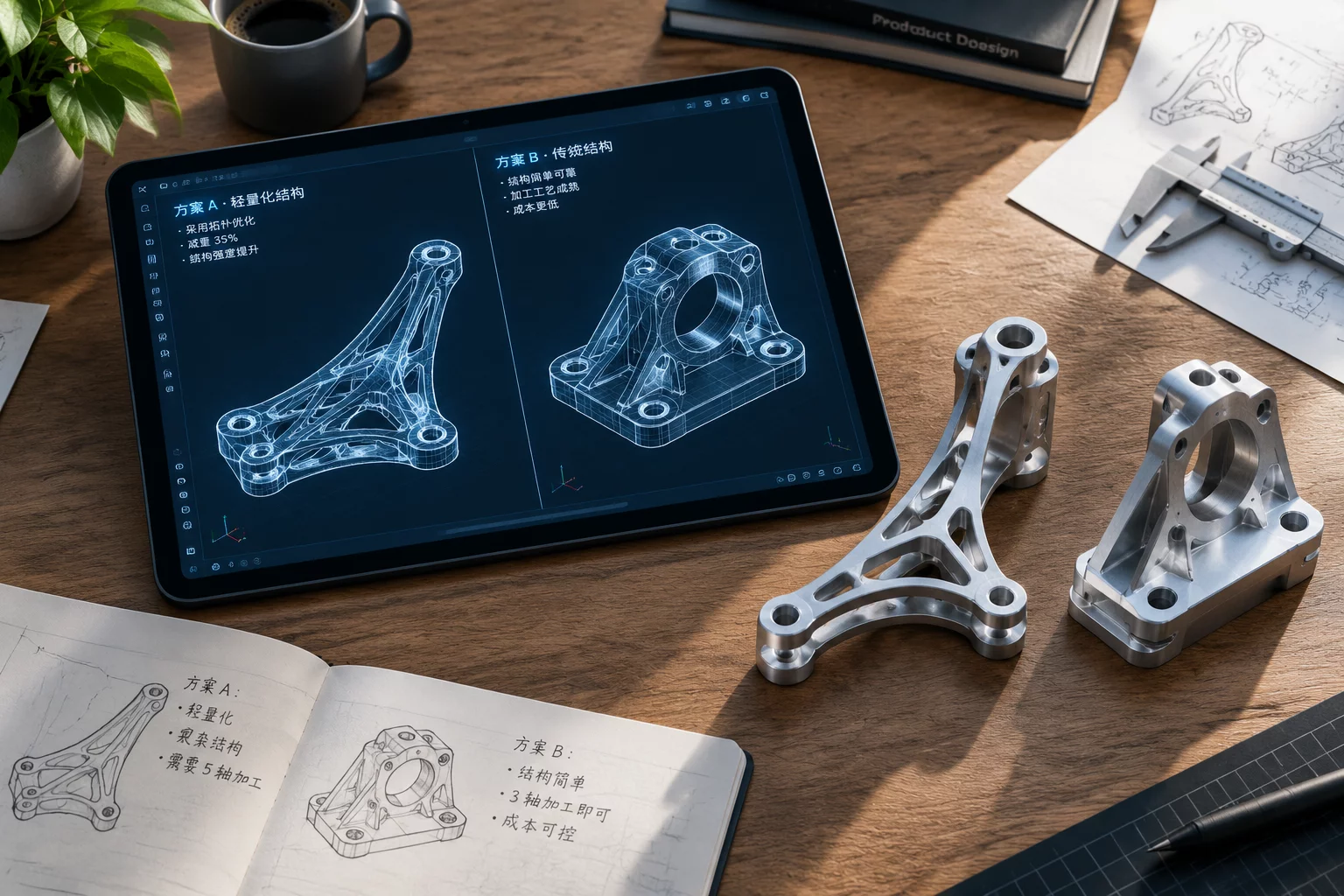 Trade-offs
When Two Good Ideas Solve Different Problems
Evaluating competing architectural proposals that excel in mutually exclusive operational performance metrics.