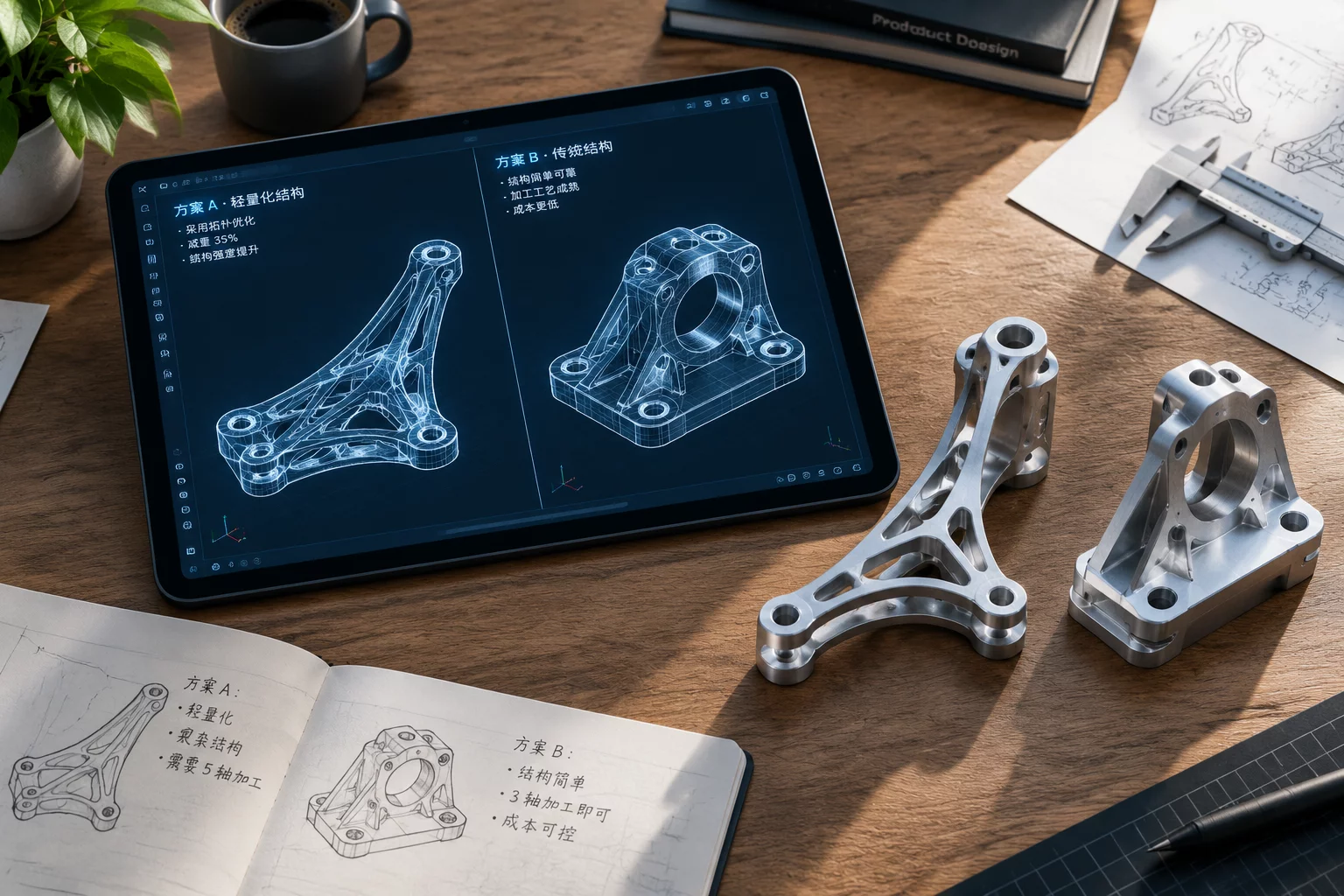
The Initial Conflict of Competing Priorities
When designing the chassis for an automated visual inspection unit, the product requirements demanded two seemingly incompatible virtues: sub-micron optical alignment under high-vibration gantry motion, and rapid replacement of wear-prone illuminator modules in under five minutes.
The primary team initially split into two ideological camps. One group prioritized continuous structural webbing to suppress torsional harmonic resonance, while the other focused on a sliding drawer latching architecture designed for line operators with standard gloves.
Teams often argue over which concept is superior when in reality both are flawless answers to two completely different questions.
Instead of forcing an early vote or compromising the parameters into a lukewarm single concept, the engineering lead instituted a formal option fork. Both tracks were modeled in parallel with clearly defined test criteria.
Isolating the Core Mechanisms in Parallel
Over a three-week exploration cycle, each branch was refined to push its respective advantage to the mechanical limit without being constrained by the other requirement:
Monolithic Ribbed Box
Cast aluminum structure with integrated triangulated shear walls yielding negligible dynamic deflection under 3G accelerations.
Kinematic Cassette
Spring-loaded three-point kinematic mounts enabling zero-backlash cartridge swapping with single-lever disengagement.
Decoupled Sub-Chassis
Rigid primary box housing critical optics while isolating maintenance zones to an external non-structural perimeter bay.
By detailing the concepts side-by-side, the team proved that serviceability did not inherently compromise rigidity if the maintenance boundary was moved outside the optical metrology loop.
Quantitative Comparison and Convergence
When the numerical metrics were compiled into an evaluation matrix, the decoupled synthesis approach delivered the essential performance of both individual forks:
- Torsional Deflection: 0.032 mm measured at maximum gantry traverse speed (exceeding the 0.04 mm target)
- Module Replacement Cycle: 3.2 minutes without requiring optical re-calibration or hand tool access
- Total Component Part Count: 14 machined parts in the hybrid version versus 26 in the initial modular concept
- Raw Material Weight: 4.85 kg total assembly mass within the allowable 5.20 kg payload budget
This convergence decision saved approximately six weeks of iterative rework that typically occurs when teams attempt to graft service access into an already finalized monolithic chassis.
Frequently Asked Questions
Compromising early often creates a solution that fails to meet either constraint adequately. Pushing both concepts to their extremes reveals where physical trade-offs actually lie and where structural decoupling can unlock synergistic designs.
In our workflow, parallel modeling at the skeletal and boundary-envelope stage added roughly 15% more CAD time initially, but reduced total tooling and revision cycles by over 40%.
Merging is viable when the functional requirements can be physically partitioned into independent load paths or spatial zones. If the constraints directly dispute the same geometric volume, a single path must be selected based on prioritized system criteria.
Discuss a Design Dilemma
Facing competing technical constraints in your current hardware development? Share your project details for an educational architectural review.
Related Engineering Case Studies
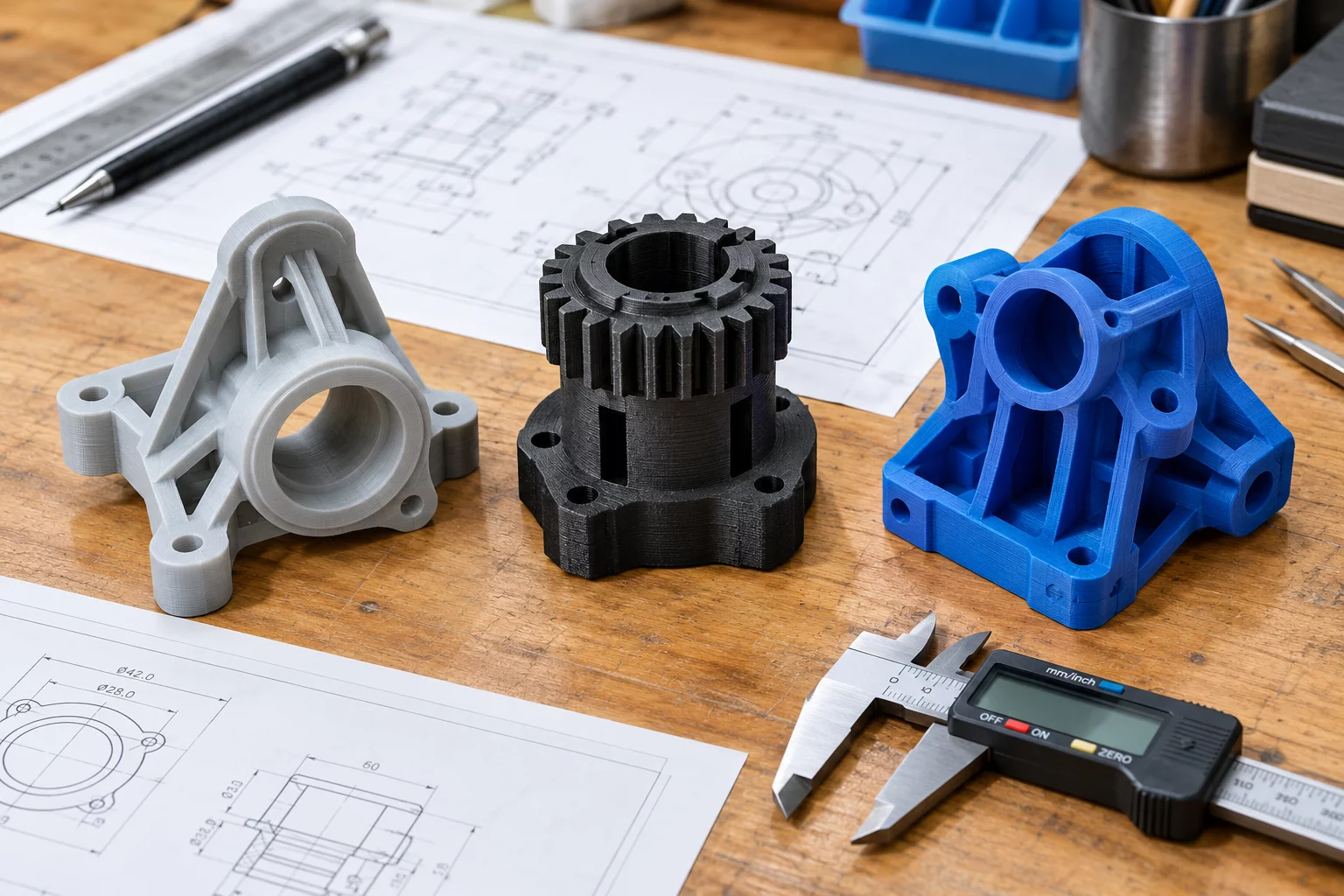 Architecture
One Constraint, Three Mechanical Concepts
An in-depth evaluation of three distinct mechanical approaches developed under a single tight geometric packaging constraint.
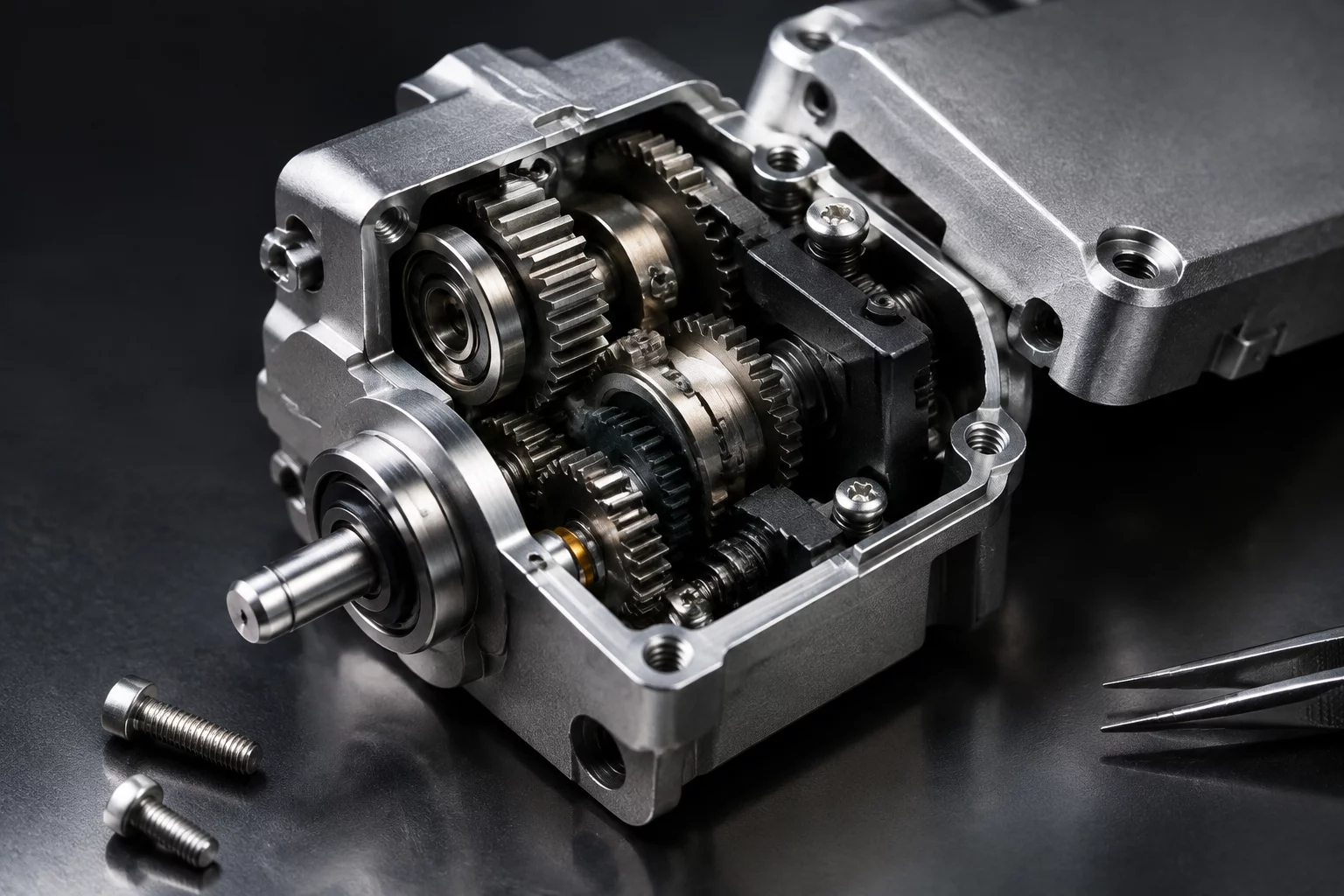 Assembly
The Smaller Design Created a Harder Assembly
How volumetric reduction in a compact gearbox led to unexpected assembly line bottlenecks and tool interference issues.
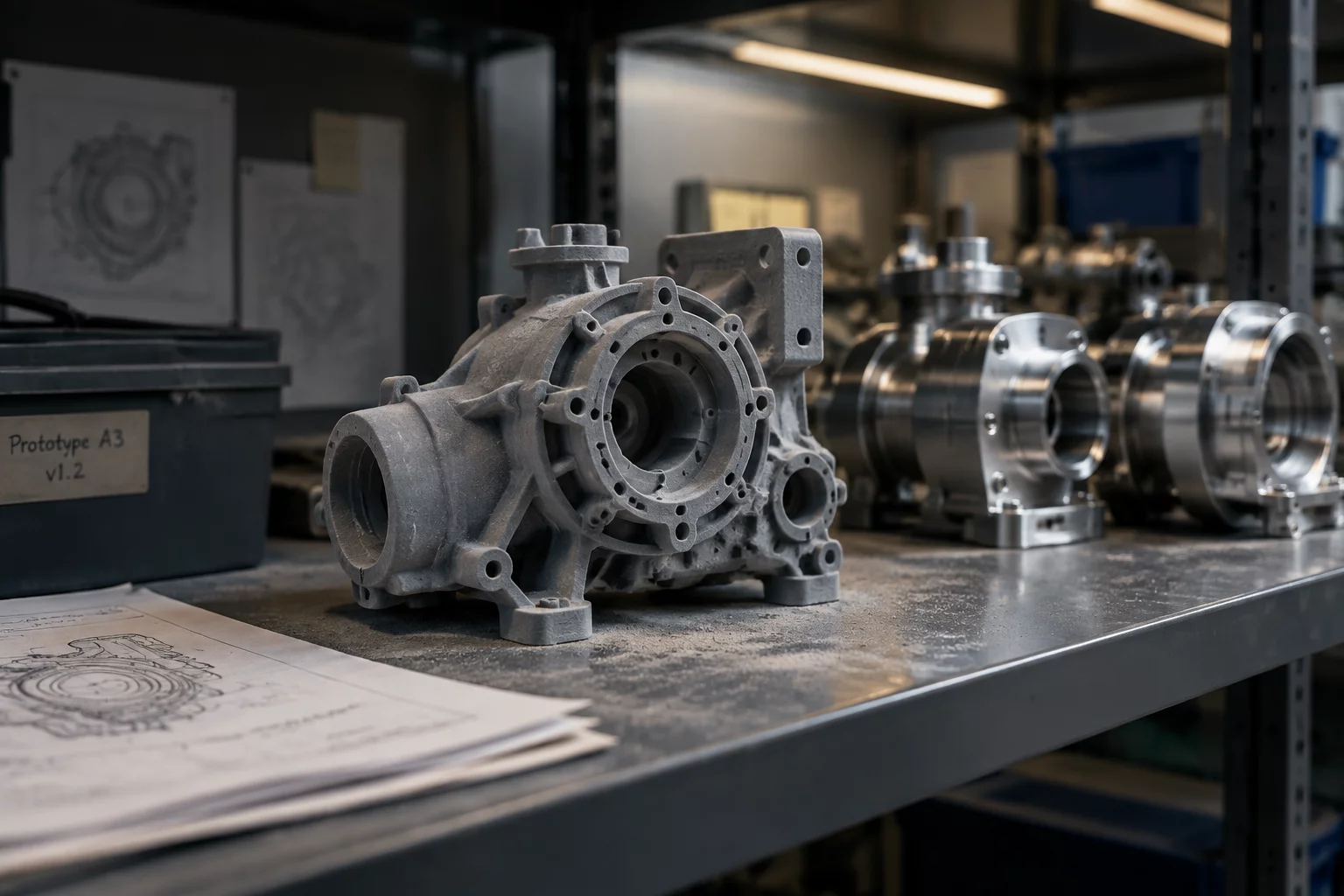 Archiving
Why an Abandoned Option Still Matters
Why preserving parametric data and test notes from discarded options saves months when future product requirements change.